EPSIS Technical Team
Dec 23, 2025
Epsis
What to Do and What Not to Do When Setting Up Charging Stations: Best Practices
Explore the path to success in the installation of electric vehicle charging stations. From strategic planning to user experience, we have compiled the best practices in the industry and the critical mistakes to avoid, all with a vision for a sustainable future.
What Needs to be Done
Location Selection
Strategic Positioning: Charging stations should be located in places where people frequently visit (shopping malls, restaurants, parking lots, business centers) and along major routes. This ensures that charging stations are used effectively and are easily accessible.
Demographic and Usage Analysis: Identify the most suitable locations by examining the demographic characteristics of target users and their needs for charging stations. For example, urban locations are ideal for daily use, while out-of-town locations are more important for long-distance drivers.
Infrastructure and Power Capacity
Sufficient Power Supply: The number of charging points per station and the maximum power that each charging point can provide is crucial for ensuring uninterrupted service, especially during peak usage times.
Flexible Infrastructure Design: Design the charging station infrastructure to be expandable and adaptable to future technological developments. This reduces the need for future investments.
User Experience
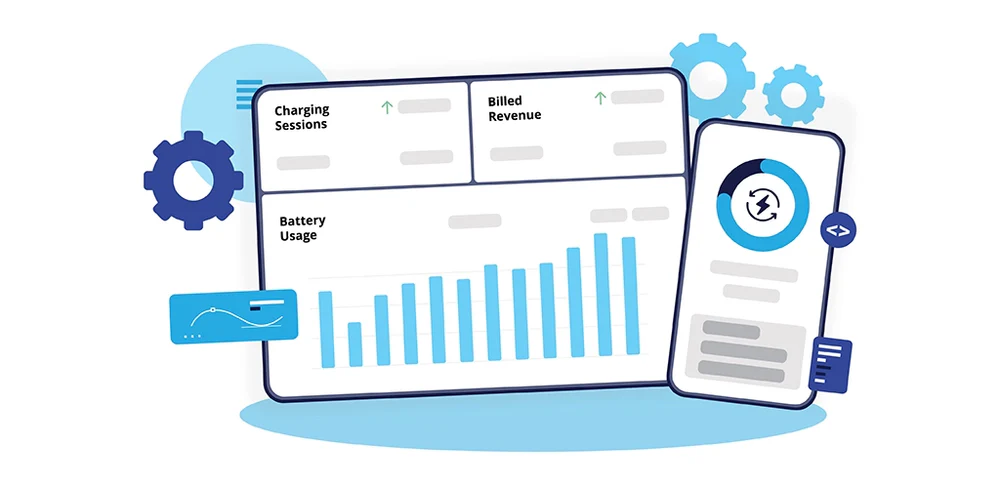
User-Friendly Interfaces: Simple and interactive interfaces allow users to easily manage the charging process. Mobile applications, touch screens, and customer support services can be used for this purpose.
Payment Convenience: Facilitate customer payments with various payment options, including subscription systems, credit cards, and mobile payments.
Sustainability and Environmentally Friendly Practices
Renewable Energy Sources: Use renewable energy sources like solar panels at charging stations, which support sustainability goals. This reduces both operating costs and environmental impacts.
Green Certifications and Discounts: Create incentives such as certifications and discounts to promote the use of green energy.
What Should Not Be Done
Insufficient Infrastructure Planning
Sudden Capacity Overloads: Failing to plan the capacity of the charging station to meet future demand increases can lead to user dissatisfaction and overloading of the system.
Compatibility Issues with Technology: Using charging technologies that are not compatible with existing and future electric vehicle models may lead users to avoid your station.
Neglecting User Experience
Lack of Information: Customers are less satisfied with your service because they do not have sufficient information about the charging processes, expected charging times, and costs.
Lack of Support Services: User experience is negatively impacted by the absence of sufficient customer support to resolve technical issues or user problems.
Ignoring Environmental Factors
Harming Natural Areas: Not considering local ecosystems and environmental factors when establishing charging stations can lead to long-term environmental damage.
Unsustainable Energy Sources: The use of fossil fuel-based energy reduces the environmental benefits of charging stations and makes it difficult to achieve sustainability goals.
When establishing and operating charging stations, focusing on strategic location selection, adequate infrastructure and power capacity, superior user experience, and sustainability principles are keys to success. By following these guidelines, you can provide valuable service to electric vehicle users and achieve sustainable success in this rapidly growing sector.
Epsis blogs provide more information about electric vehicles and charging stations, current developments, and detailed analyses. Visit Epsis blogs to stay informed about the latest trends, innovations, and regulations in the industry!